

In the blink of an eye, a seemingly innocuous email or phone call can evolve into a financial nightmare, draining bank accounts and tarnishing reputations. Wire fraud is not just a distant threat lurking in the shadows; it’s a rapidly growing danger that has claimed countless victims across the globe. Despite its prevalence, many people remain unaware of how easily they can fall prey to these sophisticated scams. Understanding what is wire fraud becomes not only a necessity but a critical safeguard in today’s digital age.
Imagine receiving a convincing email from your bank, urging you to act swiftly. Everything seems legitimate, from the logo to the contact details. Yet, beneath this façade lies a complex web of deceit designed to steal your hard-earned money. As businesses and individuals increasingly rely on electronic transactions, vigilance and awareness are paramount. Through this blog post, we’ll uncover the elusive tactics used by fraudsters and equip you with essential strategies to protect yourself and your assets from their clutches.
Understanding the Mechanics of Wire Fraud
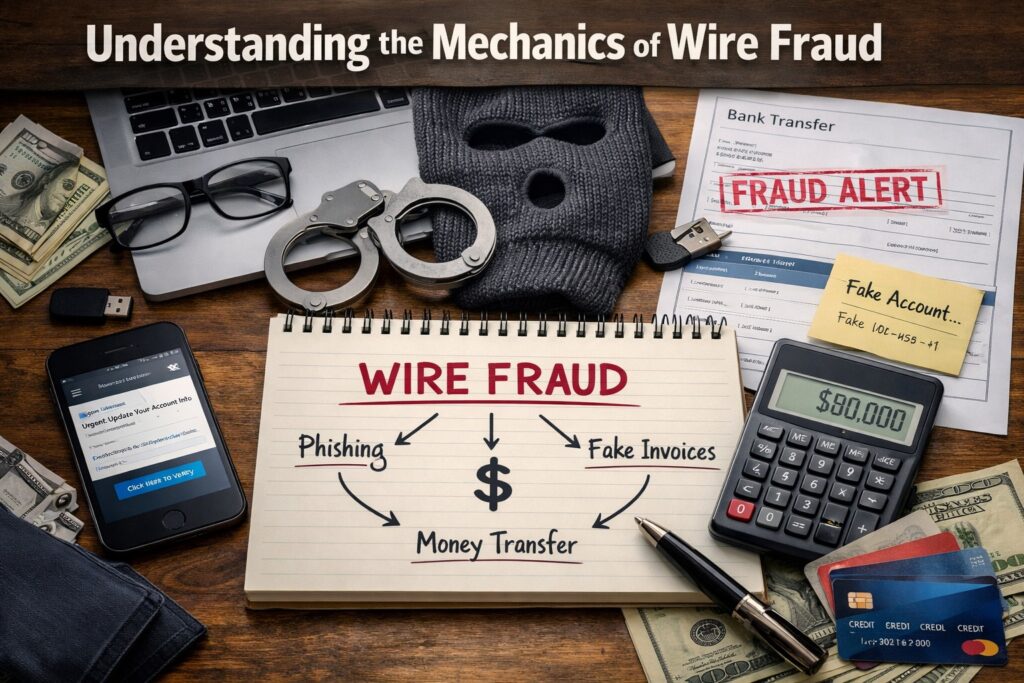
Wire fraud refers to a type of crime that involves the use of telecommunications or information technology to deceive individuals or organizations into sending money or sensitive information under false pretenses. This illegal activity often targets unsuspecting victims through methods such as phishing emails, fraudulent websites, or fake phone calls.
Understanding the mechanics of wire fraud is essential in today’s digital age where financial transactions are increasingly conducted online. Criminals perpetrate wire fraud by exploiting vulnerabilities in electronic communication systems to trick victims into transferring funds, often to offshore accounts beyond the reach of law enforcement.
One common method of wire fraud is Business Email Compromise (BEC), where fraudsters gain access to a company executive’s email account and impersonate them to instruct employees to wire money to a fraudulent account. These sophisticated schemes rely on social engineering tactics to manipulate employees into bypassing normal verification procedures.
Another prevalent form of wire fraud is romance scams, where criminals establish fake online relationships with individuals to gain their trust and eventually request money transfers under false pretexts. These scams prey on victims’ emotions and vulnerabilities, making it challenging for them to discern the fraudulent nature of the requests.
To protect against wire fraud, individuals and organizations must exercise caution when sharing sensitive information online and verify the legitimacy of any financial requests received via email or phone. Implementing robust cybersecurity measures, such as multi-factor authentication and employee training on recognizing phishing attempts, can help mitigate the risk of falling victim to wire fraud schemes.
In conclusion, understanding the mechanics of wire fraud is crucial for safeguarding against financial losses and protecting sensitive information from malicious actors. By staying vigilant and adopting best practices for online security, individuals and businesses can reduce the likelihood of becoming victims of these deceptive schemes.
Common Tactics Employed by Fraudsters
Fraudsters engage in various tactics to carry out wire fraud, a deceitful scheme aimed at manipulating unsuspecting individuals or organizations for monetary gain. These criminals often employ sophisticated methods to execute their fraudulent activities, leaving victims vulnerable to financial losses and other detrimental consequences.
One common tactic employed by fraudsters in wire fraud schemes is phishing. Through deceptive emails, phone calls, or text messages, scammers impersonate legitimate entities such as banks, government agencies, or reputable companies to trick recipients into divulging sensitive information like account details or login credentials.
Another prevalent tactic is social engineering, where fraudsters manipulate individuals into revealing confidential information or performing actions that benefit the criminals. By exploiting psychological manipulation techniques, these scammers gain the trust of their targets and coax them into wiring funds or sharing financial data unwittingly.
Fraudsters also utilize malware to perpetrate wire fraud. By infecting computers or mobile devices with malicious software, scammers can access sensitive information, monitor online activities, and intercept communication to orchestrate fraudulent wire transfers without the victim’s knowledge.
Furthermore, identity theft is a common tactic used in wire fraud schemes. Fraudsters steal personal information, such as social security numbers or driver’s license details, to assume the identity of their victims and conduct unauthorized wire transfers or open fraudulent accounts in their names.
In conclusion, fraudsters employ a range of tactics, including phishing, social engineering, malware, and identity theft, to execute wire fraud schemes successfully. By understanding these common tactics and being vigilant against suspicious activities, individuals and organizations can protect themselves against falling victim to these deceitful practices.
Red Flags to Watch Out for in Suspicious Emails
Red flags in suspicious emails are crucial to identify and prevent wire fraud. Understanding what wire fraud is can help individuals recognize these warning signs. Hackers use deceptive emails to manipulate victims into transferring funds illegally.
One of the red flags to watch out for in suspicious emails is urgent requests for wire transfers. Fraudsters often create a sense of urgency to pressure victims into acting quickly without questioning the legitimacy of the request. These emails may claim to be from a higher authority or a trusted source, prompting individuals to transfer money without verifying the details.
Another warning sign is the use of unfamiliar or slightly altered email addresses. Scammers often impersonate legitimate businesses or contacts by creating email addresses that closely resemble the original ones. By scrutinizing the sender’s email address for any discrepancies or irregularities, individuals can protect themselves from falling victim to wire fraud schemes.
Moreover, suspicious emails may contain grammatical errors or inconsistencies in language. Cybercriminals frequently operate from different countries, leading to language discrepancies in their fraudulent emails. Paying attention to spelling mistakes, poor grammar, or awkward phrasing can help recipients identify malicious emails and avoid potential wire fraud attempts.
In addition, requests for sensitive information such as account numbers, passwords, or personal details in unsolicited emails are major red flags. Legitimate organizations typically do not ask for confidential information via email. Individuals should refrain from sharing sensitive data through suspicious emails to prevent falling prey to wire fraud scams.
By staying vigilant and recognizing these red flags in suspicious emails, individuals can safeguard themselves against wire fraud. It is essential to exercise caution, verify the authenticity of email requests, and report any suspicious activity to relevant authorities to combat financial scams effectively.
The Role of Social Engineering in Wire Fraud
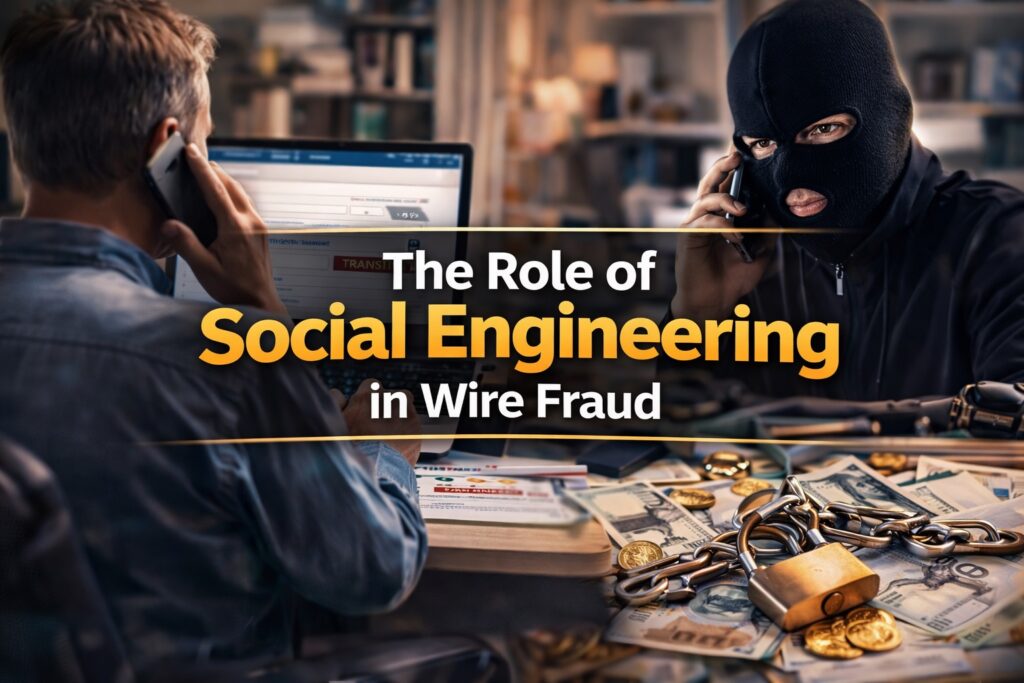
Social engineering plays a crucial role in the perpetration of wire fraud. This deceptive tactic involves manipulating individuals into divulging confidential information or performing actions that benefit the fraudster. In the realm of wire fraud, perpetrators often leverage social engineering techniques to trick victims into transferring funds electronically under false pretenses.
Cybercriminals proficient in social engineering can exploit various channels to orchestrate wire fraud schemes. They may impersonate trustworthy entities such as financial institutions, government agencies, or even acquaintances to gain the victim’s trust. By employing psychological manipulation and persuasive communication, fraudsters can convince individuals to authorize wire transfers without suspecting any foul play.
One common social engineering technique used in wire fraud is phishing. Through fraudulent emails, text messages, or phone calls, scammers lure victims into disclosing sensitive banking information or initiating unauthorized wire transfers. By masquerading as legitimate entities and creating a sense of urgency or fear, fraudsters exploit human psychology to elicit the desired response from their targets.
Moreover, pretexting is another prevalent form of social engineering in wire fraud. This tactic involves fabricating a credible pretext or scenario to manipulate victims into complying with the fraudster’s demands. Whether through sophisticated impersonation or the creation of elaborate narratives, fraudsters adept at pretexting can dupe individuals into transferring funds without arousing suspicion.
In essence, social engineering serves as the linchpin of many wire fraud schemes, enabling fraudsters to exploit human vulnerabilities and bypass traditional security measures. By preying on trust, fear, or urgency, cybercriminals can effectively manipulate individuals into becoming unwitting accomplices in fraudulent activities. Understanding the pivotal role of social engineering in wire fraud is crucial for enhancing awareness and fortifying defenses against such deceptive practices.
How to Verify the Authenticity of Financial Institutions’ Communications
When dealing with financial institutions, ensuring the authenticity of communications is crucial to safeguard against potential scams and fraud. One common threat in the financial world is wire fraud. Understanding how to verify the legitimacy of communications from financial institutions can help individuals protect themselves from falling victim to such fraudulent activities.
Verifying Sender Identity:
Before responding to any communication claiming to be from a financial institution, verify the sender’s identity. Look for official contact information on the institution’s website or statements and cross-reference it with the details provided in the communication.
Check for Official Logos and Branding:
Legitimate communications from financial institutions often contain official logos, branding elements, and disclaimers. Be wary of any communication that lacks these visual cues or contains errors in branding.
Avoid Clicking Suspicious Links:
Phishing emails often contain links that lead to fake websites designed to steal sensitive information. Avoid clicking on any links in emails and instead directly visit the financial institution’s official website by typing the URL into your browser.
Verify Requests for Sensitive Information:
Financial institutions typically do not request sensitive information like passwords, PINs, or account details via email or phone calls. If you receive such a request, contact the institution through verified channels to confirm the legitimacy of the communication.
Stay Informed About Common Scams:
Educate yourself about common wire fraud scams and tactics used by fraudsters to deceive individuals. Awareness is key to identifying suspicious communications and protecting yourself from potential threats.
By following these steps and exercising caution when engaging with communications from financial institutions, individuals can mitigate the risk of falling victim to wire fraud and other fraudulent activities. Remember to always prioritize security and verification when sharing sensitive information or conducting financial transactions online.
Steps to Take If You Suspect You’re a Victim of Wire Fraud
If you suspect you’re a victim of wire fraud, taking immediate action is crucial. Here are the steps you should follow to address this serious issue:
1. Cease Communication: If you suspect you’re a victim of wire fraud, stop communicating with the alleged fraudster immediately. Cutting off contact can prevent further manipulation or financial losses.
2. Document Everything: Keep a record of all communication, transactions, and any suspicious activities. Documentation will be essential when reporting the fraud to authorities or financial institutions.
3. Contact Your Bank: Inform your bank or financial institution about the suspected wire fraud. Provide them with all the relevant details and documentation to help them investigate the issue.
4. File a Report: Report the incident to the appropriate authorities, such as the police or the Federal Trade Commission (FTC). Provide them with a detailed account of the fraud and any evidence you have gathered.
5. Monitor Your Accounts: Regularly monitor your bank accounts, credit cards, and other financial accounts for any unusual activity. Report any unauthorized transactions immediately.
6. Freeze Your Accounts: If you suspect that your accounts have been compromised, consider freezing them to prevent further unauthorized access or transactions.
7. Seek Legal Advice: Consult with a legal professional who specializes in fraud cases. They can provide guidance on your rights, potential liabilities, and the best course of action to take.
8. Educate Yourself: Take steps to educate yourself about common types of wire fraud and how to protect yourself from falling victim in the future. Awareness is key to preventing similar incidents.
9. Stay Vigilant: Remain vigilant even after taking these steps. Fraudsters may attempt to target you again or use your personal information for other fraudulent activities.
By following these steps promptly and diligently, you can protect yourself and increase the chances of recovering any losses incurred due to wire fraud. Remember, acting swiftly is essential when dealing with suspected fraud.
Implementing Effective Security Measures to Safeguard Against Wire Fraud
When it comes to implementing effective security measures to safeguard against wire fraud, understanding what is wire fraud is crucial. Wire fraud involves using electronic communications to deceive individuals or entities into providing funds or sensitive information. This type of fraud often occurs through email scams, fake websites, or phishing attempts.
To protect against wire fraud, it is essential to educate employees and individuals about the risks associated with sharing financial information online. Training programs can help in identifying suspicious emails or websites that may be attempting to gather sensitive data.
Using encryption for sensitive information can add an extra layer of security. Encrypting data ensures that even if a cybercriminal intercepts the communication, they would not be able to decipher the information without the encryption key.
Implementing multi-factor authentication is another effective security measure. By requiring multiple forms of verification, such as passwords and biometric data, it becomes harder for fraudsters to gain unauthorized access.
Regularly updating security software and conducting security audits can also help in detecting and preventing wire fraud attempts. By staying vigilant and proactive, organizations can stay one step ahead of cybercriminals.
In conclusion, safeguarding against wire fraud requires a multi-faceted approach that includes education, encryption, multi-factor authentication, regular updates, and audits. By implementing these effective security measures, businesses and individuals can better protect themselves against the risks associated with wire fraud.
Need Help Recovering Funds from Wire Fraud?
If you’ve been a victim of wire fraud or any financial or digital scam, you’re not alone. Legal Certifi offers expert support, legal guidance, and fund recovery services. Contact us today to take the first step toward justice.
Visit LegalCertifi.com to start your recovery journey. Don’t wait-take action today and fight back against fraud.
Check more scam broker reviews here.
To receive current updates, you can follow us, receive expert opinions and warnings about scams, please join us on:


Leave a Reply